3 Best AI Prototype Generators Online To Try 2026
Fast validation beats perfect design. If you can turn an idea into a clickable flow today, you can test with users tomorrow, align stakeholders faster, and avoid building the wrong thing. That’s why an ai prototype generator has become a must-have for product teams, founders, and even non-designers.
In this guide, you’ll learn what an AI prototype generator is, and you’ll see three practical tools you can start using right now—especially YouWare (ai prototype generator), plus Figma and Visily.
What Is An Ai Prototype Generator?
A what is an ai prototype generator question usually comes down to this: it’s a tool that uses AI to convert your inputs—prompts, user stories, screenshots, rough sketches, or UI concepts—into a prototype you can click through and test.
A modern ai prototype generator tool typically helps you:
- Generate screens and layouts from text prompts
- Auto-link screens into flows (navigation, buttons, interactions)
- Iterate quickly with prompt-based edits
- Share a URL for feedback, demos, or usability tests
Some tools focus on design systems and collaboration, while others lean into “prompt-to-working prototype” speed. YouWare emphasizes building interactive prototypes quickly from descriptions and flows.
Top 3 Ai Prototype Generator Tools You Can Choose From
Below are three options that cover different needs—from “prototype in minutes” to “designer-friendly collaboration.” If you’re looking for an ai prototype generator free starting point, each one offers a way to try without committing upfront (free tiers, trials, or limited drafts depending on the product and plan).
1. YouWare
YouWare focuses on turning ideas and user flows into interactive, clickable prototypes quickly—useful when you want to validate direction before spending time polishing UI details. YouWare positions its AI prototype generator as a “minutes to interactive prototype” workflow.
How To Use YouWare (Simple Workflow)
- Start with a prompt or user story: Describe the product idea, target user, and key screens (e.g., onboarding → dashboard → settings).
- Generate the prototype: Let the AI create screens and a basic flow you can click through.
- Refine with iterative prompts: Ask for changes like “make the checkout 2 steps” or “add an error state for invalid email.”
- Share for feedback: Publish or share a link so teammates or testers can try the flow.
Pros
- Very fast from idea to clickable flow (great for early validation).
- Strong for “prompt-first” building when you don’t want to start from blank frames.
- Good fit for founders, PMs, and teams needing quick demos.
Cons
- If you need strict design-system control from day one, you may still export/redo polish in a dedicated design tool later.
- AI-generated outputs often need quick iteration to match your brand voice and UI standards (normal for any ai prototype generator).
2. Figma
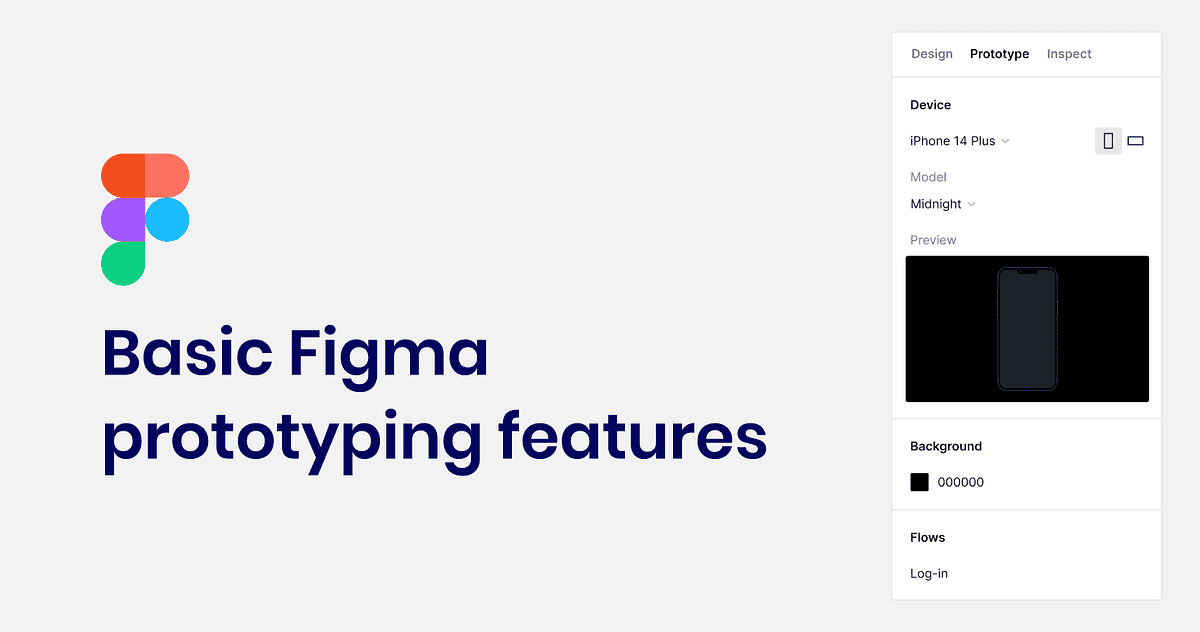
Figma is widely used for UI design and prototyping, and it also offers AI-assisted prototype generation via its AI prototype generator experience (positioned around generating layouts, logic, and interactions for testing and refining).
How To Use Figma For AI Prototyping
- Create or import screens: Start from frames, templates, or existing designs.
- Use AI prototype generation: Describe what you want and let AI help generate interactive prototypes faster.
- Link interactions in Prototype mode: Add click targets, transitions, overlays, and flows using Figma’s prototyping panel.
- Preview and share: Share a prototype link for comments and testing.
Pros
- Best-in-class collaboration for design teams (comments, components, libraries).
- Mature prototyping controls (flows, transitions, interactive behaviors).
- Strong ecosystem and handoff support.
Cons
- Can feel heavy if your goal is “prototype in 10 minutes” and you’re not already in Figma daily.
- Depending on plan, some AI/publishing capabilities may be limited or tiered.
3. Visily
Visily positions its AI prototype generator around making high-fidelity clickable prototypes easier for anyone, including non-designers. It highlights AI-powered “auto-prototyping” that connects screens into flows.
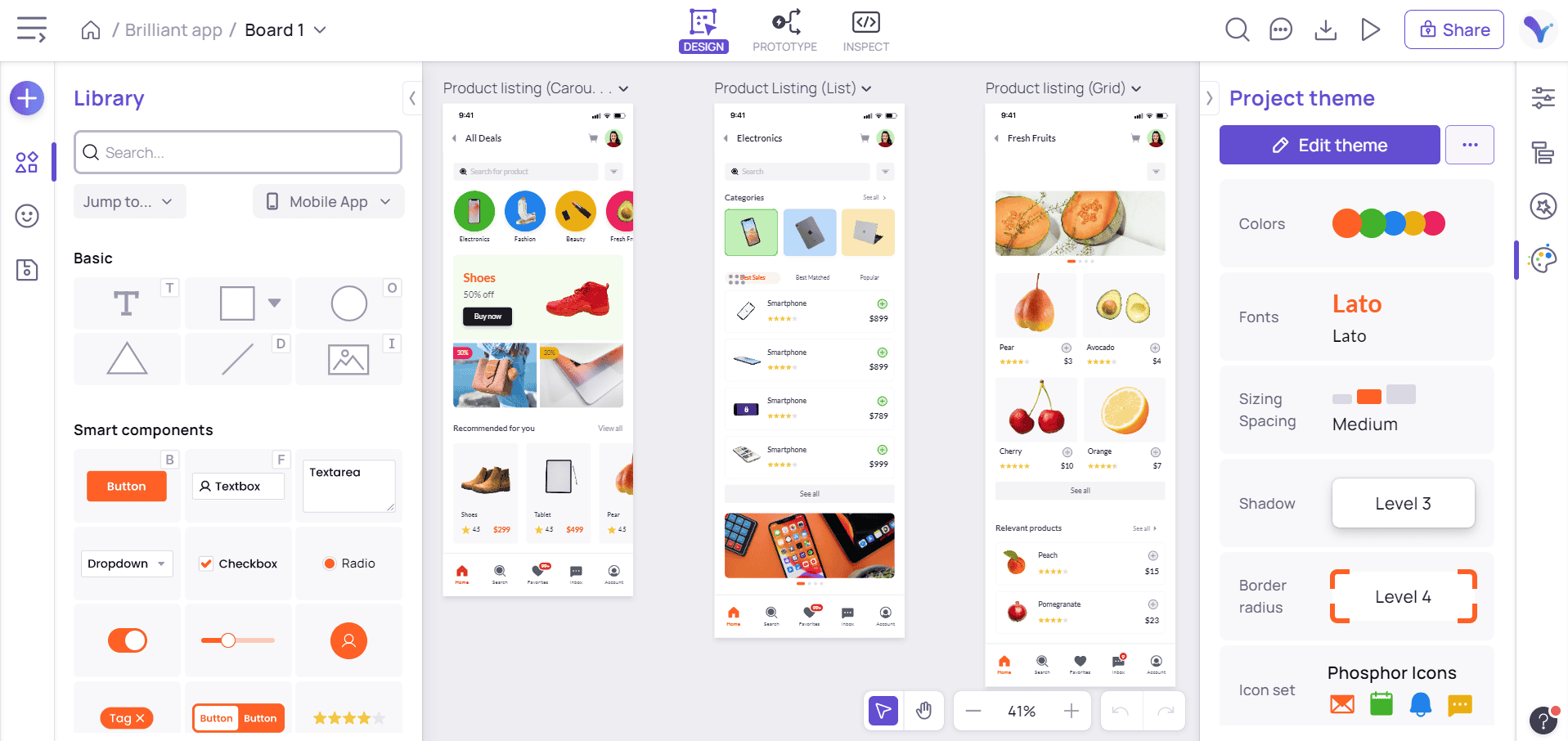
How To Use Visily For An Ai-Generated Prototype
- Start from text, screenshot, or templates: Bring an idea in with prompts or references.
- Generate screens: Use AI to create editable wireframes/mockups.
- Auto-link screens into a clickable flow: Visily can create connectors between screens as part of its AI prototyping approach.
- Iterate and share: Adjust layout and interactions, then share for review.
Pros
- Friendly for non-designers who still need “good enough” UI fast.
- AI helps speed up from concept to clickable prototype.
- Useful when you want quick structure without mastering a full pro design suite.
Cons
- Power users may find customization less deep than pro design tools for pixel-perfect systems.
- Some advanced controls can be more limited compared with full design platforms (varies by workflow and plan).
What Are Benefits Of Ai Prototype Generator?
Using AI to prototype isn’t just about speed—it changes how teams collaborate and make decisions. Here are the most practical ai prototype generator advantages you’ll feel in real projects:
- Ai Prototype Generator Benefits For Design Projects: Get from idea to clickable flow before you invest in high-fidelity design, reducing rework and helping you validate UX earlier.
- Ai Prototype Generator Benefits For Workflows: Faster iteration loops—prompt, generate, test, refine—so teams can align quickly and keep momentum.
- Benefits Of Ai Prototype Generator Over Manual Methods: Instead of drawing every screen from scratch, AI gives you a starting point (layouts, components, flows) that you can edit, saving hours or days on early exploration.
- Better Stakeholder Communication: A clickable prototype is more persuasive than a doc or static mockup—especially for non-design stakeholders.
- More Experiments, Less Risk: You can test multiple versions (onboarding, pricing, navigation) quickly—something teams rarely do when prototyping is slow.
FAQs On Ai Prototype Generator
1. What’s The Best Ai Prototype Generator Tool?
If you want the fastest path from idea to a clickable demo, YouWare is a strong pick as an ai prototype generator built for rapid interactive prototyping.
If you’re already a design team living in components and libraries, Figma can be the best fit for collaboration and deeper prototyping control.
If you want something approachable for non-designers with AI-driven prototyping, Visily is a practical option.
2. How To Create A Prototype For Free?
To create an ai prototype generator free prototype, start with a tool that offers free access (free tier, trial, or draft mode), then:
- write a clear prompt (user, goal, key screens),
- generate screens and a simple flow,
- iterate once or twice, and
- share the prototype link for feedback.
Plan limits vary by product and can affect publishing or advanced AI usage.
3. What Is The Best Prototype Maker Online Free?
For “online free,” the best option depends on what you mean by free:
- If you need quick prompt-to-prototype drafts, look at tools like YouWare and Visily for rapid starts.
- If you need a broad design platform with prototyping and sharing workflows, Figma is often the default choice for teams.
In all cases, your goal should be the same: build an ai-generated prototype that’s testable, not perfect.